Inclusive, good-quality education is a foundation for dynamic and equitable societies. “
This quote rightly summarises why inclusivity is necessary for an equitable society. Inclusive education simply means the inclusion of all students, irrespective of their disabilities, backgrounds, or challenges within the normal environment. Inclusive education is that type of learning which emphasises access to quality education equally and diversity with respect. Teaching is the best asset that can make inclusive education successful since it focuses on making an environment in which every child feels valued and supported.
This article explores the different responsibilities of teachers in inclusive education and how they shape a good future for learners.
Understanding Inclusive Education
Inclusive education is based on equity, hence every student, regardless of his or her having a disability or learning difference or not, will have equal opportunities to learn and develop respectfully and appreciatively which promotes diversity. The National Education Policy, 2020 asserts, “Education is the single greatest tool for achieving social justice and equality,” which brings implications regarding the development of an inclusive community and society as well. For such inclusive education, teachers need to come up with new tactics and techniques that work on the individual needs of the learner.
Teachers’ Role in Inclusive Education
Teachers are the central part of inclusive education as they directly impact the views that the students form about themselves and others. It goes beyond imparting content, ensuring an environment where all are fostered for learning.
Creating a Positive Learning Environment
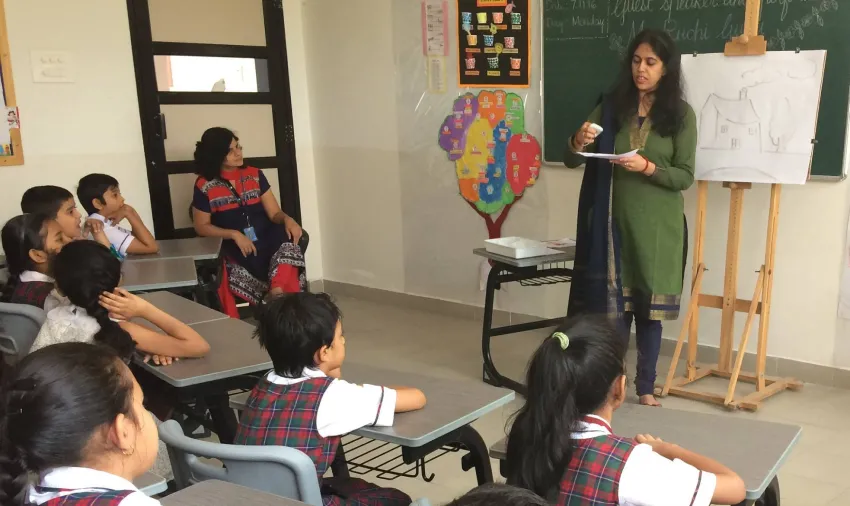
A supportive and welcoming classroom is a vital aspect of inclusive education. It requires the creation of a comfortable space in the classroom for a student to speak freely. Inclusive teaching would facilitate open communication and diversity through which students gain mutual respect and understanding. It enhances academic performance while at the same time creating social cohesion within the students.
Providing Equal Opportunities
Give every student equal opportunities to access the resources and activities, allowing them to equally partake in different learning opportunities. It calls for proper lesson plans in which differences in learning patterns and abilities may be accommodated. For example, visual materials can be used while giving hands-on experiences and through discussions. With such approaches, the teacher becomes more inclusive to enable every child to succeed in the class.
Universal Design
The framework of Universal Design for Learning supports teachers in planning lessons that will be accessible to all students. Flexible teaching methods and materials will enable the teacher to reach out to the different needs of his students. UDL makes learning more inclusive by removing barriers to education, thereby giving all students the chance to learn and play along in class regardless of their abilities. The teachers can also use various teaching tools, like multimedia presentations and gamified learning activities, to make the lesson more interesting for the students.
Promoting Mutual Respect
Teachers significantly contribute to developing mutual respect among their students. Teaching them the worth of diversity is done by being an example through inclusive behaviour and elimination of biases in their classroom. Students learn to work well while working with different types of groups. Therefore, getting them to join various teams during a project, promotes a sense of friendship and camaraderie within class.
Supporting Students with Disabilities
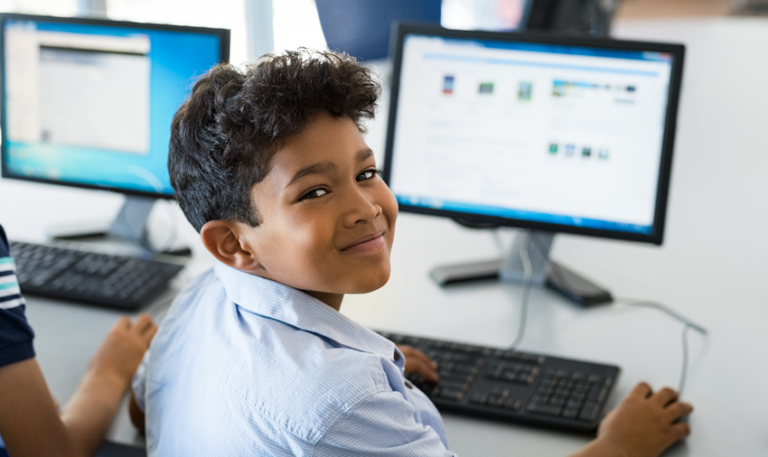
Students with disabilities often have challenges that require specific support. Teachers can work towards this by adjusting their methodology and giving a lot of time to each of the students individually. For example, assistive technologies like a screen reader or speech-to-text software can bring about a huge difference for kids with disabilities. Furthermore, the development of an individualised education plan that is moulded according to each student’s exact needs will propel them to succeed.