Education is evolving faster than ever.
A student might graduate into a world where their first job doesn’t even exist today, like a climate data strategist, an AI-assisted healthcare coordinator, or a self-driving logistics manager.
And with the evolving education, the question for today’s parents and educators isn’t what students will learn, but how they will confidently adapt to a future where knowledge evolves overnight.
That’s why the future of education is focused on empowering students not just with academics, but also with the ability to adapt, solve problems, and develop required skills.
At Glendale International School, one of the best CBSE International Schools in Hyderabad, understanding how this forward-thinking approach works can help students to be well-prepared for their future academic journey.
What is Skill-Based Learning in CBSE?
CBSE’s focus towards skill-based learning aims to bridge the gap between theoretical knowledge and practical application.
Unlike the traditional rote-learning methods, skill-based learning focuses on methods that help students develop academic knowledge and cultivate essential skills such as communication, critical thinking, and problem-solving.
Key Characteristics of Skill-Based Learning
The CBSE has introduced several initiatives to embed skill-based learning across all grade levels. Here are the key characteristics of skill-based learning for students:
- Hands-On Learning: Students engage in projects and activities that enable them to apply knowledge practically. They look for more interactive and creative options when it comes to learning.
- Industry-Relevant Skills: The focus is on skills that are in demand for ensuring students are job-ready.
- Aligning with Global Trends: The future education system is moving towards interdisciplinary learning, global perspectives, and technology integration that ensures students can adapt to different cultures, academic, and professional environments.
- Lifelong Learning Mindset: CBSE’s focus on project work, problem-solving, and research tasks encourages curiosity and self-directed learning. This is essential for success in a changing world.
Benefits of Skill-Based Education
Using a skill-based approach offers many benefits for students and helps them get ready for the challenges they will face.
- Encourages Problem Solving: Students work on challenges that require critical thinking and creativity, preparing them for real-world scenarios.
- Holistic Development: Skill-based learning promotes holistic development by nurturing cognitive, emotional, and social well-being. It builds confidence, resilience, and a positive attitude to prepare students to become well-rounded individuals.
- Strengthens Self-Confidence: Students feel a sense of achievement and confidence in their abilities when they receive feedback, master skills, and lead a project.
- Improves Communication and Leadership: Public speaking, debates, and presentations help students express ideas confidently and clearly.
- Promotes Adaptability: The future is unpredictable, and a skill-based education equips students with the adaptability and lifelong learning skills needed to navigate these changes successfully.
Glendale International Schools’ Role in Fostering Skill-Based Learning
At Glendale International School, one of the top CBSE schools in Hyderabad, we are committed to providing an education that goes beyond the textbook.
We integrate skill-based learning in every aspect of our curriculum with a balanced approach in academics and practical skills.
We offer a wide range of extracurricular activities, clubs, and workshops that complement the CBSE curriculum, allowing students to explore their interests and develop new skills.
We ensure that the subjects we teach in the classrooms are not just theoretical but also practical to foster a deeper understanding of the subject matter.
Our state-of-the-art facilities, experienced faculty, and innovative teaching methodologies ensure that every student receives a personalised and enriching learning experience.
Here’s how Glendale ensures its students are future-ready:
- Experiential Learning Projects – Students work on real-world problems, from environmental sustainability initiatives to entrepreneurial ventures, translating theory into practice.
- Leadership & Life Skills Programmes – Activities like Model United Nations, student councils, and community service projects develop leadership, decision-making, and collaboration.
- Global Exposure – Exchange programmes, international collaborations, and guest lectures prepare students for multicultural academic and professional environments.
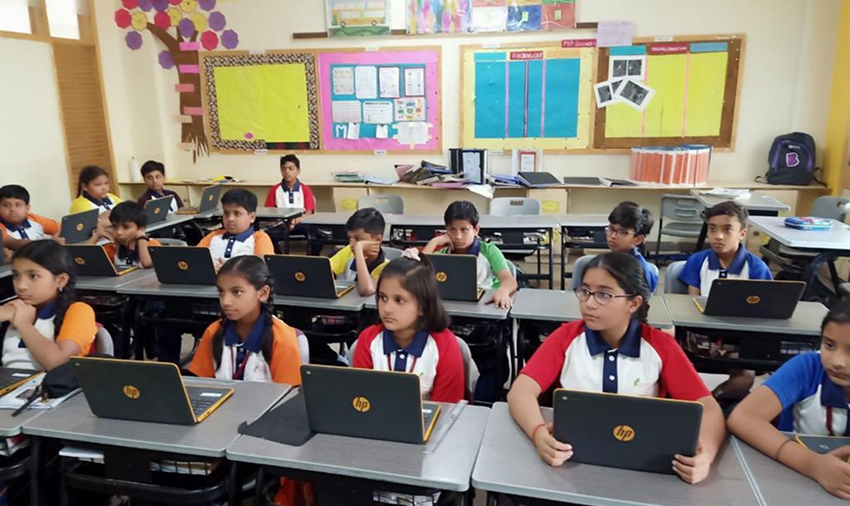
- Integrated Technology in Learning – Smart classrooms, coding labs, and digital research tools make students comfortable with technology-driven education in the future.
- Focus on Emotional Intelligence – Workshops, counselling, and reflective practices help students build empathy, resilience, and self-awareness.
Advanced Labs, Internships & Collaborations
To further strengthen this commitment, Glendale provides students access to specialized labs and studios that make learning highly immersive. These include a Mass Media Lab, a Fashion Studies Studio, a Culinary Skills Lab (Home Science), as well as dedicated Psychology and Geography Labs. Each space is designed to bridge classroom concepts with real-world application, nurturing both creativity and technical expertise.
Beyond classroom learning, students benefit from structured internship programs, typically undertaken during vacations, ranging from 2 to 8 weeks. Glendale’s strategic collaborations with leading organizations such as Microsoft, Google, T-Hub, Apollo Hospitals, and digital marketing firms ensure that students gain first-hand exposure to industry practices and emerging fields.
Adding to this, Glendale offers close to 70 subject combinations across 21 electives, with an exclusive Humanities stream alongside Commerce and Science. This flexibility empowers students to pursue their individual passions and career interests, making their education as unique as their aspirations.
The Future of Skill-Based Education: A Necessity in the Changing Work Environment
With the emerging new norms of work environments across the world, skill-based education seems inevitable as the new paradigm in the global work setting. That means with the development of new innovations and technology like AI, remote working, and others, specific skills are likely to get more valued in the future.
That means schools need to focus on skill-based training programs that directly relate to the requirements of the future job market.
Conclusion
The change in the education system is crucial as skill-based learning gives students an improved learning journey and prepares them for future challenges.
By focusing on practical skills, critical thinking, and holistic development, the curriculum is transforming education from just learning to providing hands-on experience and empowering students.
At Glendale International School, one of the best international schools in Hyderabad, we seamlessly integrate skill-based learning into our curriculum and ensure students not only excel academically but also develop practical skills needed to succeed in an ever-changing world.