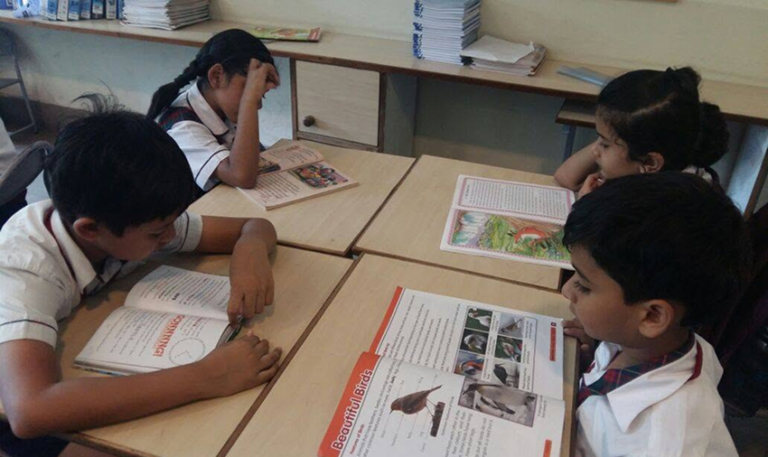
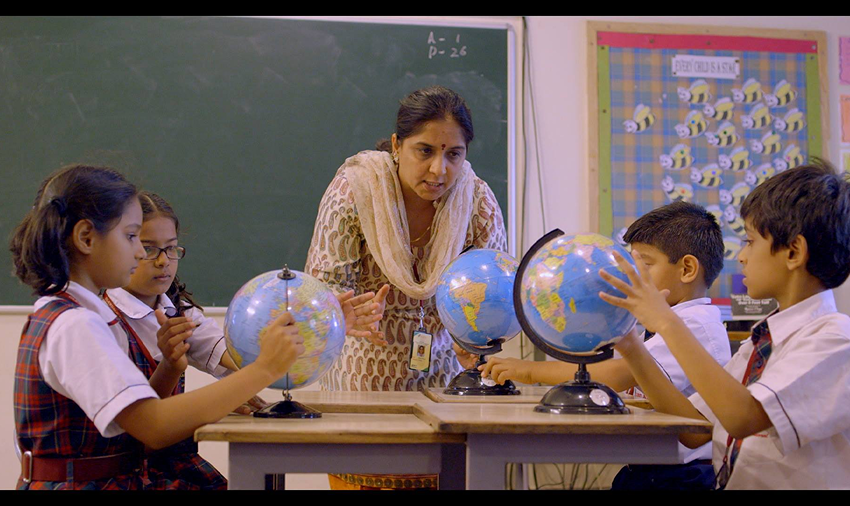
Today, in the global connectivity age, helping children understand the world beyond their immediate surroundings is no longer optional; it is essential. The young learners today are tomorrow’s problem-solvers and innovators.
At Glendale; one of the best CBSE international schools in Hyderabad; we believe education should build more than brilliant minds. It should shape compassionate, curious and socially responsible global citizens.
This guide explores how schools can cultivate global citizenship and empathy development. It also highlights why empathy and cultural awareness are core life skills that truly prepare students for the future.
What Is Global Citizenship and Why Does It Matter?
Before diving in, let us answer the big question- what exactly is global citizenship?
Simply put, global citizenship means understanding that we are all part of an interconnected world. It involves recognising our shared humanity, respecting diversity and acting responsibly to make the world more inclusive and sustainable.
According to UNESCO, education for global citizenship enables learners to learn active roles to experience and resolve global challenges and become contributors to a more peaceful, tolerant and secure world.
Teaching global citizenship is about creating thoughtful individuals who care about both people and the planet, not because they have to, but because they want to.
At Glendale, ranked among the best schools in Hyderabad, our approach blends academic excellence with emotional intelligence. We nurture self-awareness and compassion with responsibility so that when our students step into the real world, they are ready; not just for success, but for significance.
The Importance of Empathy in Global Citizenship
You can’t talk about global citizenship without talking about empathy. Empathy is the bridge that perfectly connects understanding to action. It is the ability to feel with others, imagine their experiences and to respond with kindness and fairness.
Why empathy matters in education-
- It builds emotional intelligence and resilience.
- It reduces bullying and improves relationships.
- It enhances collaboration as an essential skill in today’s multicultural workplaces.
- It helps students become compassionate leaders who value people over competition.
A study by Harvard’s Making Caring Common Project shows that empathy is one of the most powerful predictors of positive behaviour and civic engagement in students. This is why the importance of empathy can’t be overstated.
At Glendale, empathy is woven into everything we do; from classroom discussions and literature lessons to outdoor learning and community projects. It is not a single activity; it is a culture.
How to Develop Empathy in Students?
Empathy is not something that happens by chance; it can be taught, practised and strengthened through experience. Here are some proven strategies educators can use to promote developing empathy and teaching global citizenship-
- Perspective-Taking Activities
Encourage students to step into someone else’s shoes.
For example; while reading a story, ask: “How do you think this character felt?” or “What would you have done differently?”
These reflection exercises help students to understand diverse viewpoints and enhance emotional awareness.
- Community Connection Projects
Link classroom learning to real world impact. Glendale students participate in social outreach programmes and environmental drives along with local initiatives that promote compassion and collaboration. Such projects show that small actions can create big change.
- Empathy Journals
Encourage daily or weekly reflection through writing. Students can note moments where they felt empathy or witnessed kindness. Journaling promotes self awareness and helps them prioritise emotional growth.
- Global Conversations
Collaborate with partner schools worldwide. Virtual exchange programmes or cultural video projects help students learn directly from peers across the globe; promoting cultural awareness and appreciation for diversity.
- Storytelling and the Arts
Art and music with literature allow students to explore human emotions deeply. Activities such as role-play, theatre and poetry are effective empathy activities that inspire creative emotional expression.
Through these practices, children develop empathy as a lifelong skill that extends beyond school walls.
How does Glendale Integrate Global Citizenship Into Learning?
As one of the best CBSE schools in Tellapur, Glendale goes beyond conventional academics to nurture mindful global citizens. Our educational philosophy is grounded in three pillars- Respect, Responsibility and Reflection.
Here is how we do it-
Curriculum Integration: From primary through secondary years; topics like sustainability, global inequality and social justice are part of classroom discussions.
Cultural Exchange Programmes: Students participate in cross-cultural projects and international collaborations that broaden perspectives.
Character Education: Through the Glendale Human Values Programme, children practise empathy, cooperation and ethical decision-making.
Service Learning: Every student is encouraged to take part in meaningful community service that builds accountability and compassion.
Teacher Modelling: Our teachers embody empathy and inclusivity, creating safe spaces where students feel heard and understood.
By embedding these elements into daily school life, we don’t just talk about global citizenship; we live it.
Preparing Students for the Future
To prepare students for the future; we must focus on both skills and spirit. The modern world demands adaptability, creativity and emotional balance. But more importantly, it demands empathy – the foundation for peaceful coexistence and collaborative innovation.
A report by the World Economic Forum lists empathy among the top 10 soft skills that will define the future workforce. Why? Because robots can analyse data, but only humans can connect, comfort and cooperate.
At Glendale, our learners graduate ready to succeed in this human centred future. They know that success is not just about personal gain; it is about contributing meaningfully to society.
The Importance of Cultural Awareness in Education
While empathy helps students connect emotionally, cultural awareness enables them to engage respectfully. Understanding how to develop empathy with traditions, beliefs and perspectives teaches tolerance and open-mindedness.
Our global programmes and inclusive curriculum celebrate diversity at every stage. Whether it is a cultural exchange project or a classroom debate on global ethics; Glendale’s students learn that difference is not something to fear, but something to celebrate.
We focus on global readiness as much as academic success to be the best CBSE international school.
Why Choose Glendale?
When families search for schools admission in Hyderabad, they are not just looking for a place that teaches; they are looking for a place that transforms. Glendale offers-
- A nurturing environment grounded in empathy and ethics.
- A forward-thinking CBSE curriculum with an international outlook.
- Holistic education that balances intellect with emotional intelligence.
- Sustainable practices and community engagement that model responsible citizenship.
Glendale’s mission is simple – to create global citizens who lead with heart and mind.
Final Thoughts: Educating Hearts and Minds
The world needs empathetic innovators more than ever. Schools have the unique power to cultivate this next generation of young people who understand not only how to succeed, but why their success matters.
Teaching global citizenship is not a one-time lesson; it is a lifelong journey. It starts with one act of kindness that broadens perspective.
At Glendale; every child learns that being smart is great, but being kind is greater. Because the ultimate goal of education is not just to make a living; it is to make a difference. Empathy is contagious and global citizenship starts right where you are.
Ready to give your child an education that builds both intellect and empathy?
Explore Glendale where future-ready learners grow into responsible and compassionate citizens of the world.