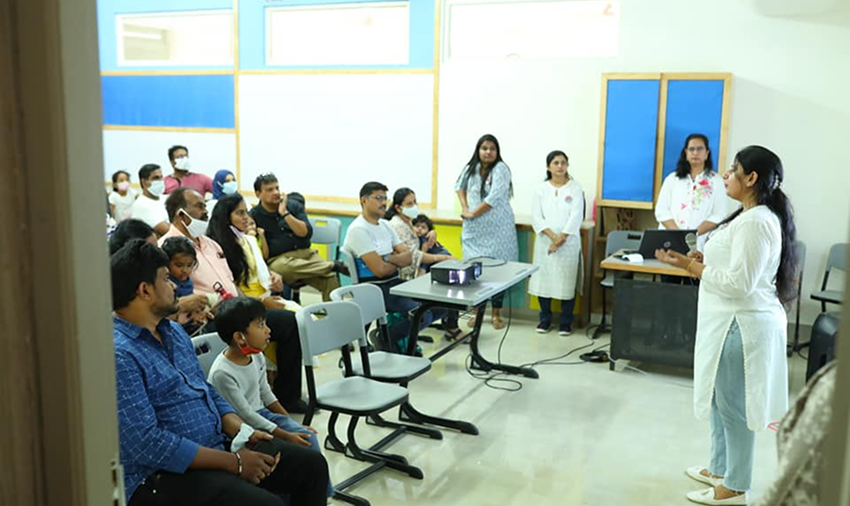
Parent-teacher interactions do not have to be intimidating. In fact, parent-teacher conferences are one of the most valuable moments in a child’s school journey. They offer you quick and meaningful insights into your child’s academic, emotional and social progress.
But how do you prepare for a parent-teacher meeting so you make the most out of those 10 to 15 minutes?
Let us break it down in a friendly, practical and step-by-step guide that helps parents walk into the meeting confident, informed and ready for a productive conversation.
Why Are Parent-Teacher Meetings Important?
You may wonder: What is the real importance of parents teacher meeting if the school already shares reports and updates?
Here is the secret – a meeting gives you context, something no report card can fully capture. Teachers share insights on learning habits, peer interactions, emotional wellbeing, classroom behaviour and personalised suggestions that you won’t hear anywhere else.
A good parent-teacher meeting agenda ensures that teachers and parents work together, forming a supportive team around the child.
How Should Parents Prepare Before the Meeting?
The key to a productive meeting is preparation and it is easier than you think.
1. Review Your Child’s Progress
Go through previous reports, homework, notebooks or feedback shared.
Make note of:
- Areas your child excels in
- Subjects they struggle with
- Any noticeable habits (distraction, procrastination, lack of confidence)
These points help you form meaningful parent-teacher meeting points for discussion.
2. Observe Learning at Home
Think about:
- How your child reacts to homework
- Their interests or difficulties
- Behaviour patterns, mood changes or anxiety related to school
Teachers value this input as it completes the picture.
3. Prepare Questions
Having a list helps you stay focused and confident. You may ask:
- How can I support learning at home?
- Are there any behaviour changes I should know about?
- What goals should we focus on for the next term?
What Should You Discuss During the Meeting?
A parent-teacher meeting is not just about grades. It is about understanding your child as a whole.
1. Talk About Academic Progress
Ask for examples of strengths and weaknesses. Instead of “How is my child doing?” try asking, “Can you share how they respond during group activities or assessments?”
2. Discuss Learning Skills
Attention span, confidence, curiosity and problem-solving are just as important as marks.
3. Social & Emotional Development
Does your child collaborate well? Make friends easily? Show leadership? Teachers observe these closely.
4. Set Goals
Together; decide what the next steps should look like. Deciding on realistic and measurable goals helps students to progress steadily.
What Should Parents Do After the Meeting?
1. Discuss the Feedback with Your Child
Keep it positive and supportive.
2. Implement Teacher Suggestions
This makes the meeting meaningful. Small actions often lead to big improvements.
3. Stay Connected
Healthy communication builds strong parent-teacher relationships.
Why Glendale Stands Out for Parents & Students?
Glendale has always believed that parents are partners. That is why parent-teacher conferences here are more than routine interactions; they are personalised, insightful and nurturing.
Being one of the best international baccalaureate schools and offering highly sought-after schools admission in Hyderabad, Glendale ensures:
- A structured parent-teacher meeting agenda
- Holistic tracking of academic and emotional development
- Student-centred feedback that is clear, actionable and encouraging
- A warm and collaborative environment where teachers genuinely care
- Transparent communication that helps families stay aligned
Glendale’s approach helps parents walk away with clarity, confidence and a deeper understanding of their child’s learning journey.
Tips to Make the Most of Parent-Teacher Meetings
Here are some easy, practical tips you can start using immediately:
- Arrive on Time– Respecting the schedule ensures every family gets equal attention.
- Take Notes– Jot down important points, suggestions or upcoming goals.
- Share Honestly– Teachers can help only when they know what’s happening at home.
- Work as a Team– Children do their best when home and school are aligned.
Final Thoughts
A parent-teacher meeting is not an evaluation of your parenting; it is an opportunity to strengthen your child’s support system. With a little preparation and positivity, it becomes a joyful and meaningful experience.
And at Glendale, parents never walk this journey alone. With compassionate teachers, transparent communication and a child-centred philosophy, Glendale continues to be one of the best pre primary schools in Hyderabad, where every child grows with confidence and care.
FAQs
What is the purpose of parent-teacher conferences?
They help parents understand academic progress, emotional development, behaviour patterns and individual needs directly from the teacher.
How long does a parent-teacher meeting usually last?
Typically, 10 to 15 minutes, based on the school’s schedule and your child’s grade.
What questions should I ask in a meeting?
Ask about strengths, challenges, learning habits, peer interactions and ways you can support learning at home.
What if I disagree with the feedback?
Keep an open mind and request examples or observations. The goal is collaboration, not conflict.