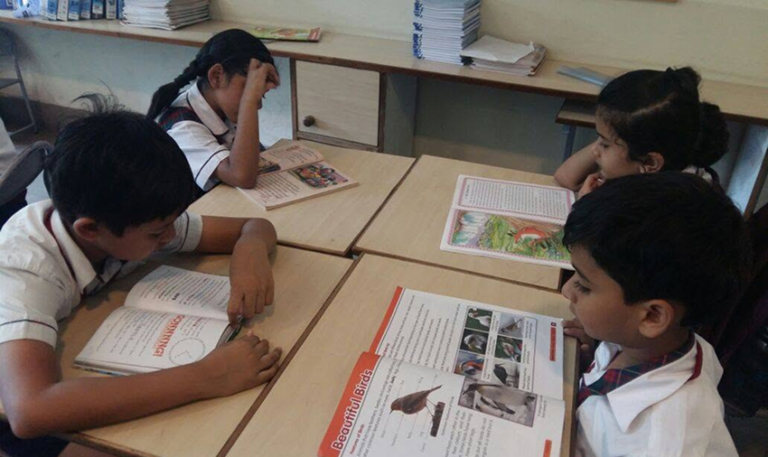

A well-run classroom has a positive vibe and a sense of engagement. There aren’t many interruptions. A struggling classroom, on the other hand, is noisy. The teacher’s voice is hard to hear because students are not paying attention.
That’s where effective classroom management helps teachers create a smooth class flow, minimise disruptions, and maximise student engagement and academic growth.
54% of teachers consider classroom management and students’ behaviour to be significantly challenging at work.
For teachers, whether teaching in early schools, middle school, or senior grades, understanding classroom management terms is crucial. In fact, classroom management interventions are more effective when implemented within the first month of school.
At Glendale India, one of the good International schools in India, we recognise that classroom management is a foundation of excellent teaching. Here are some simple guides to key classroom management terms.
What is Classroom Management?
Think of classroom management as everything a teacher does to create and maintain organised, orderly, and productive classroom environments where effective teaching and learning can occur.
It encompasses a variety of skills and techniques that help teachers to create a high-performing learning environment, manage student behaviour, and organise resources to support student growth.
It means there’s a clear structure, a respectful atmosphere, and minimal disruptions, which together build a learning environment.
Essential Terms Every Teacher Should Master
- Behavior Management
It provides clear, consistent guidelines on acceptable behaviour. The strategies, interventions, and systems teachers use to prevent and respond to student misbehaviour. - Classroom Climate
Classroom climate simply means how the room feels: warm or tense, safe or risky, friendly or cold. It’s about the overall emotional and psychological tone of the classroom, shaped by relationships, routines, and student voice. - Classroom Procedures
Specific routines and protocols guide students through everyday tasks and classroom transitions. The routine includes entering the classroom, hanging their backpacks, and beginning a bell-ringing activity every morning. - Engagement Strategies
It includes techniques for capturing and maintaining students’ attention and participation in learning activities. Engaged students are less likely to misbehave. - Expectations
These are clear rules and expectations from the very first day. It sets clear, simple expectations that help students understand what’s acceptable, what’s not, and why it matters. - Positive Reinforcement
It is about acknowledging students’ effort, improvement, and positive behaviour. The use of rewards or affirmations increases the likelihood that a desired behaviour will occur again. - Positive Behaviour Interventions and Supports (PBIS)
It’s a framework for creating a positive classroom environment, preventing problem behaviours, and providing targeted support for students who need it, focusing on teaching expected behaviours explicitly. - Wait Time
It refers to the silence that follows a teacher’s question before calling on students. Most teachers wait less than 1 second; extending the time to 3-5 seconds yields more thoughtful responses and higher participation. - Proximity Control
It’s a nonverbal classroom management technique in which teachers use their physical presence and movement to prevent or correct minor misbehaviour, guiding students to self-control by simply standing near them. - Seating Arrangement
The strategic organisation of physical student seating in the classroom to support learning and behaviour. For example, students are grouped in pods for cooperative learning during a science lab.
The Role of Teachers in Classroom Management
Understanding the role of a teacher in classroom management reveals how educators create thriving classrooms:
- Designing a Learning Environment
The classroom should be visually appealing and well-organised. Teachers can display students’ work to showcase their creativity and make them feel proud of their accomplishments.
They should also organise learning materials and resources in a way that is easy to access and use.
- Ensuring a Positive Classroom Culture
Teachers can create a safe and inclusive environment where all students feel valued, welcomed, and respected. They should encourage collaboration and communication by providing opportunities for students to work together, share ideas, and learn from each other.
- Establishing a Positive Emotional Climate
Create a welcoming and inclusive environment where every student feels appreciated, respected, and empowered, fostering a sense of belonging that encourages collaboration and open communication.
By providing multiple opportunities for students to collaborate, exchange ideas, and learn from one another, we can foster lively discussions and encourage respectful sharing of their thoughts and opinions.
Supporting student leadership by providing opportunities to lead presentations or participate in classroom decision-making further enhances their engagement and confidence.
Glendale Approach to Classroom Management
At Glendale India, one of the leading IB schools in Hyderabad, India, we believe effective classroom management forms the foundation of excellent education.
We invest in developing teachers’ classroom management skills through comprehensive professional development and mentorship from master teachers.
We encourage clear, consistent expectations; a focus on structured routines to provide students with independence; and opportunities for students to lead, ranging from managing materials to running parts of lessons.
Conclusion
Learning about classroom management helps teachers align with the students’ needs and goals. It helps to increase academic achievement and decrease behavioural problems.
Finally, classroom management isn’t about control; it’s about creating conditions in which teaching and learning thrive.
At Glendale India, one of the top IGCSE schools in Hyderabad, India, we support teachers in developing classroom management skills that transform potential chaos into environments in which students excel.