Key Takeaways
|
How to Choose Between Montessori and Play-Based Pre-Primary Progarmmes
Choosing your child’s first learning environment can feel surprisingly overwhelming, especially with two popular approaches, Montessori and play-based programme, both claiming to offer the best foundation for early learning. Here is a clear, practical way to tell them apart and decide which one suits your child.
What Is Montessori Education
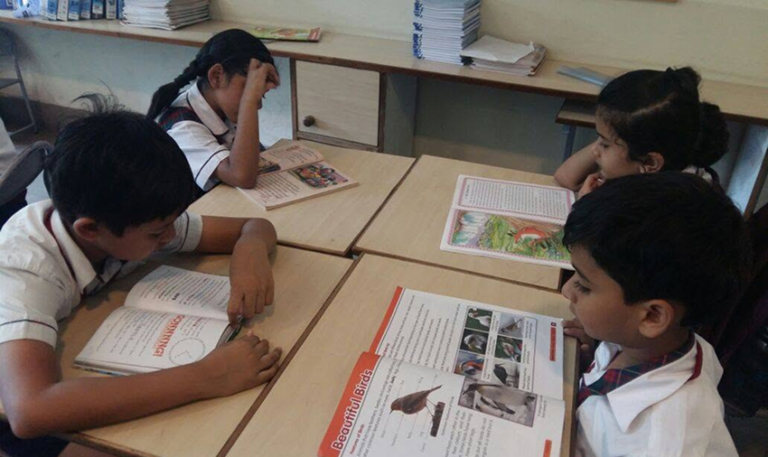
Montessori education is built around self-directed, hands-on activities using specially designed learning materials, usually in mixed-age classrooms where children progress at their own individual pace rather than a fixed group timetable.
- Self-paced, individual work with specific Montessori materials
- Mixed-age classrooms that encourage peer mentoring
- Teacher acts mainly as an observer and guide
- Strong emphasis on independence and order
What Is Play-Based Learning
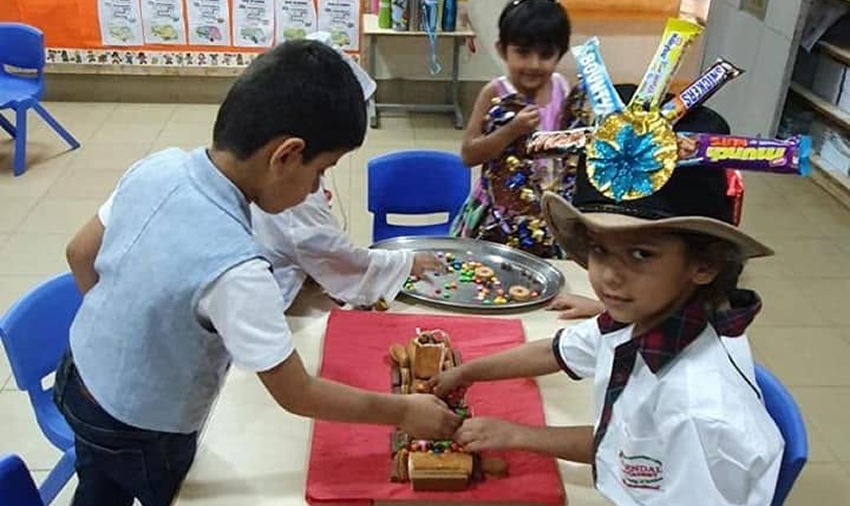
Play-based learning takes a more flexible route, using unstructured and guided play to build early skills through imagination, social interaction, and hands-on exploration, usually within same-age peer groups.
- A mix of free play and teacher-guided activities
- Strong focus on social interaction and imagination
- Flexible, theme-based learning rather than fixed materials
- Teacher actively joins in and extends children’s play
In a well-run play-based preschool, this flexibility does not mean a lack of structure behind the scenes, since teachers still plan carefully toward specific developmental goals through the activities they design.
How Are Montessori and Play-Based Pre-Primary Programs Different
|
Aspect |
Montessori |
Play-Based |
|
Structure |
Structured, self-paced individual work |
Flexible, group-oriented free play |
|
Materials |
Specific Montessori-designed materials |
Varied toys, props, and open-ended materials |
|
Teacher’s role |
Guide, observes and steps in minimally |
Facilitator, actively joins and extends play |
|
Classroom |
Usually mixed-age |
Usually same-age peer groups |
|
Best suited for |
Children who enjoy independent, focused tasks |
Children who thrive on social interaction and imaginative play |
Which Approach Suits Which Type of Child
A child who is naturally methodical, enjoys working alone, and likes repeating a task until it feels right often flourishes in a Montessori preschool setting. A child who lights up around other children and loves storytelling, dress-up, and group games often does better in a lively play-based environment. Both approaches, done well, build a genuinely strong foundation in pre-primary education.
Why Does the Right Foundation Matter So Early
NEP 2020 sets a national goal of universal, quality early childhood education for children aged 3 to 6 by 2030, recognising this stage as the foundation for later literacy, numeracy, and life skills. Parental choice has also expanded dramatically to support this goal, with research citing Ministry of Women and Child Development data pointing to close to 300,000 private preschools operating across the country, giving families far more options than a generation ago.
What Does a Typical Day Look Like in Each Setting
Seeing the two approaches side by side in practice, rather than only on paper, often makes the choice much clearer.
|
Time of Day |
Montessori Classroom |
Play-Based Classroom |
|
Morning welcome |
Children choose an individual work activity from the shelf |
Children join a circle time song or story together |
|
Core session |
Focused, self-paced practical or sensorial work |
Rotating activity corners such as art, blocks, and pretend play |
|
Outdoor time |
Independent or small-group nature exploration |
Group games and guided physical play |
|
Wrap-up |
Quiet reflection and putting away materials |
Group discussion about what was made or discovered |
How to Decide Between the Two for Your Child
- Observe how your child naturally plays at home, alone or with others
- Visit both types of classrooms and watch how children actually behave in them
- Ask about teacher-to-child ratios in each setting
- Check how each programme prepares children for the transition to formal school
- Consider consistency with the school’s overall philosophy as your child grows
- Trust a short trial visit over reading about either approach online
If you are exploring international schools in Hyderabad or specifically shortlisting pre primary schools in Hyderabad, ask how the early years programme connects to what comes next, such as a structured IB Primary Years pathway, so your child’s foundation carries forward smoothly rather than starting over at every stage.
What Questions Should You Ask During a Preschool Visit
A brief visit can tell you far more than any prospectus, as long as you know what to look for and ask beyond the standard tour. Coming prepared with a few specific questions helps you compare programmes fairly rather than relying on first impressions alone.
- How do you handle a child who is reluctant to join an activity?
- What does a typical settling-in period look like for new children?
- How do you communicate a child’s progress with parents through the term?
- How does this programme prepare children for their move into formal schooling?
- What happens when two children disagree over a toy or activity?
Wrapping Up
A methodical child who loves working alone and mastering tasks will often flourish in a Montessori environment where independence is celebrated and materials are specific. A socially spirited child who lights up around others and thrives on imaginative play will likely blossom in a vibrant play-based classroom where flexibility and group interaction are the norm. Both, when genuinely well-run, build strong foundations in independence, curiosity, and the love of learning.
To see the approach in action, visit Glendale International school to observe how children engage and discover whether our environment suits your child’s needs. Book a campus tour or enquire now.
FAQs
Neither is universally better; the right fit depends on your child’s temperament and how they naturally engage with tasks and other children.
Most programmes welcome children from around age 2.5 to 3, though this varies by school.
Yes, children generally adapt well, since both approaches build strong foundational independence and curiosity that transfer across settings.
Most do, particularly when the transition is gradual and the receiving school also values independence and self-direction.
Watch how teachers interact with children, how conflicts are handled, and whether children genuinely seem engaged rather than simply occupied.
Not necessarily; well-designed play-based programmes build the same foundational literacy, numeracy, and reasoning skills, but through a more exploratory route.