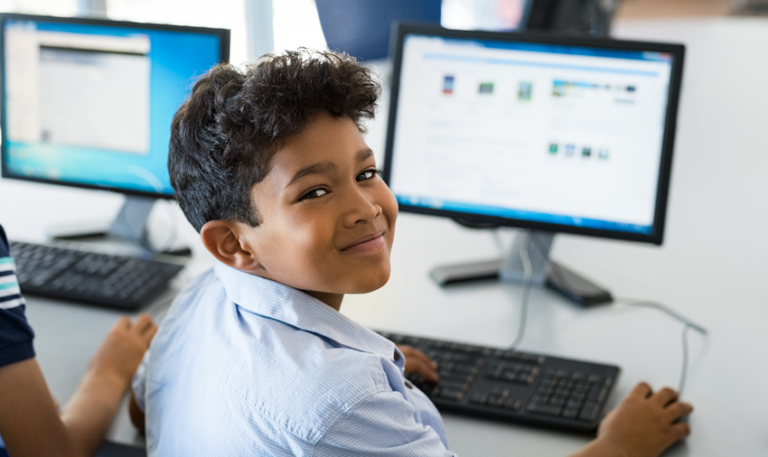
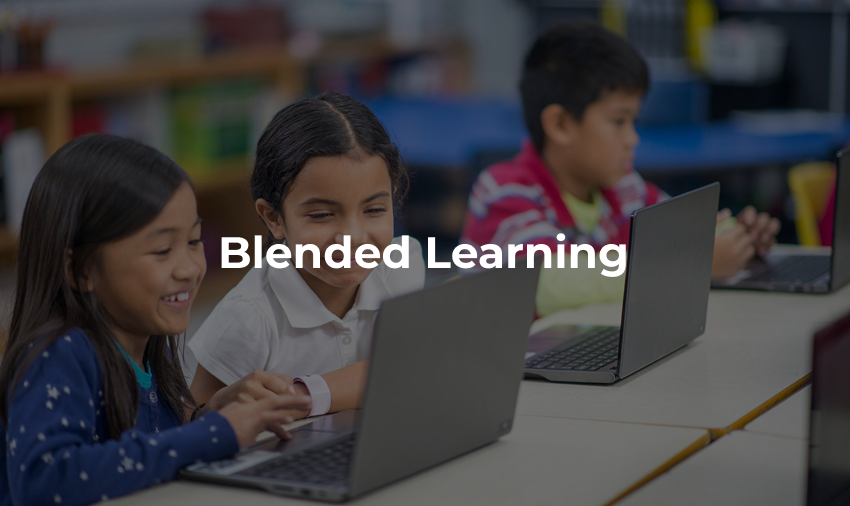
Picture this- a maths class where multiplication tables are not just recited; but turned into fun online games. A history lesson where kings and queens step out of the textbook into animated timelines. That is the beauty of blended learning; a world where learning is no longer boring.
Simply put, blended learning means combining traditional classroom teaching with digital tools and resources to create a richer and engaging experience. So, if you are curious to know what is blended learning and why so many good preschools in Hyderabad are embracing it, we are here. Let us dive into the types, examples and benefits that make it a game-changer for your child.
What is Blended Learning?
What is blended learning? It is an educational approach where face-to-face teaching is paired with online or digital activities. Instead of just listening to lectures, students also engage with videos, simulations, apps or online discussions.
Types of Blended Learning
These are some popular types of blended learning-
- Rotation Model
Students rotate between classroom sessions and digital stations. For example, maths practice in class followed by problem-solving apps at home.
- Flex Model
Online learning takes centre stage; but teachers provide support as needed. It works well for older students who learn and explore independently.
- Flipped Classroom
Students watch lectures or videos at home and use classroom time for discussions, projects or doubt-clearing.
- Enriched Virtual Model
Some subjects are taught mostly online, with occasional face-to-face sessions for support.
At Glendale, younger children, especially those starting after nursery admission in Hyderabad, experience blended learning with class lessons and fun activities at home.
Examples of Blended Learning in Schools
Practical examples of blended learning make the concept easier to understand.
- Language Learning- Students read aloud in class, then use online reading apps to practise fluency.
- Science Experiments- Teachers explain theories in class, while virtual labs online let students try experiments safely.
- History Projects- Classroom discussions paired with online research and digital storytelling presentations.
- Preschool Activities- Children might learn colours with flashcards in class, then enjoy interactive colour-matching games online at home.
Benefits of Blended Learning
The benefits of blended learning are too good to ignore. Some of them are-
- Personalised Pace
Every child learns differently. Blended learning allows slower learners to revisit content and faster learners to move ahead.
- Engagement and Fun
Interactive tools make lessons exciting and far more enjoyable than rote memorisation.
- Skill Development
Children explore and gain digital skills with academics that prepare them for their future careers.
- Flexibility
With online resources; students can continue learning even during travel or unexpected breaks.
- Parent Involvement
Parents get to see how digital activities reinforce classroom lessons, making them more connected to their child’s journey.
Why Blended Learning Matters in Early Education?
Blended learning offers the right balance of play, structure and technology.
Example: At Glendale, preschoolers practise the alphabet through hands-on activities with teachers and then reinforce them through fun e-learning platforms. This dual approach builds confidence while keeping learning joyful.
Parents of younger children often ask whether early exposure to technology is beneficial. The answer? Yes, when balanced well. Blended learning ensures screen time is purposeful, limited and always linked to hands-on experiences.
Blended Learning Models at Glendale
At Glendale, we use different blended learning models tailored to age groups.
- In Primary School- Interactive whiteboards, storytelling apps and online quizzes supplement classroom lessons.
- In Middle School- Flipped classrooms encourage students to prepare at home and debate in class.
- In Senior School- Virtual labs and online research projects prepare students for global academic standards.
This thoughtful mix makes us one of the ideal choices where tradition meets innovation seamlessly.
Blended Learning and Parents
Parents play a big role in making blended learning successful. Some simple tips-
- Encourage Exploration- Let children enjoy digital activities at home while linking them back to classroom learning.
- Set Balance- Ensure online sessions are combined with outdoor play and reading time.
- Stay Involved- Check progress reports from digital platforms to see where your child needs support.
The Bigger Picture
Globally; blended learning is no longer just a trend; it is an essential part of education. Blended learning is the bridge between traditional teaching and the digital future. By combining traditional methods with modern tools, schools ensure students gain not only knowledge but also creativity, independence and problem-solving skills.
At Glendale; we believe blended learning prepares students for the real world, one where digital literacy is just as important as academic excellence. The benefits of blended learning will shape them into confident, capable learners. It ensures that children not only learn but also love to learn.
That is why Glendale proudly embraces it, offering students a pathway that is engaging, interactive and globally relevant. If you are exploring top CBSE schools in Hyderabad, remember: the future of education is blended and Glendale is already leading the way. Contact us and enquire now for Glendale admissions!