Academics matter, of course. But so do kindness, empathy, resilience and emotional intelligence; the very traits that turn bright minds into compassionate humans. At Glendale, one of the leading Cambridge international schools in Hyderabad; we believe education must nurture the heart as much as the head.
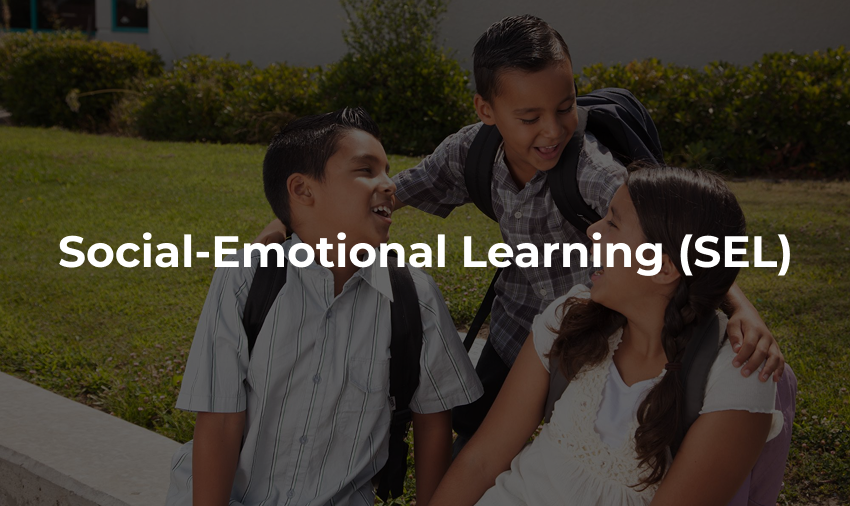
That is where Social-Emotional Learning (SEL) steps in. It is not a passing trend; it is a transformative approach that helps children manage emotions to build healthy relationships and make responsible choices.
So, let us dive into what is social and emotional learning, why it matters and how Glendale’s approach shapes confident global citizens.
What Is Social and Emotional Learning (SEL)?
At its core, social emotional learning is the process of developing self-awareness and control with interpersonal skills that are essentially required for success in personal and professional life.
In simpler terms, it is learning how to understand ourselves and connect positively with others. When students practise social and emotional learning, they learn to-
- Recognise and manage their emotions.
- Show empathy and respect.
- Build strong, positive relationships.
- Make thoughtful, ethical decisions.
- Set goals and persevere through challenges.
At Glendale, we see these as essential life skills and not add-ons. They are woven into our social emotional learning curriculum across grades and subjects.
Why Social-Emotional Learning Matters?
In today’s tech-driven world; emotional intelligence is just as important as academic intelligence. Children equipped with strong social-emotional development tend to have-
- Better focus and motivation in class.
- Healthier peer relationships.
- Improved academic performance.
- Greater resilience and self-confidence.
In fact, research shows that students who engage in social emotional learning activities perform better academically. That is why Glendale integrates SEL into the daily routine of classroom culture.
The Five Core Competencies of SEL
The framework for SEL revolves around five interlinked skills; all of which we actively nurture at Glendale.
- Self-Awareness– Understanding one’s emotions, strengths and values.
Example: Students reflect on their learning patterns through journaling.
- Self-Management– Regulating emotions, thoughts and behaviours to achieve goals.
Example: Mindfulness sessions before tests to calm nerves.
- Social Awareness– Empathising with people from diverse backgrounds and cultures.
Example: Celebrating multicultural events under the Cambridge IGCSE curriculum.
- Relationship Skills– Building healthy communication and teamwork habits.
Example: Group projects where collaboration takes centre stage.
- Responsible Decision-Making– Making ethical, safe and constructive choices.
Example: Role-play activities that explore real-life dilemmas.
These are not just classroom checkboxes; they are live experiences that shape students’ worldviews.
Glendale’s SEL Approach – Where Learning Meets Living
Glendale understands that academic excellence alone is not enough. True education helps students understand themselves and others. That is why our SEL curriculum is seamlessly embedded into lessons, co-curriculars and even school culture. Here’s how we do it-
- Morning Mindfulness- Each day begins with calm breathing or gratitude reflection.
- Circle Time Conversations- Safe spaces where students discuss emotions, challenges and achievements.
- Team-Based Projects- Encouraging collaboration and mutual respect.
- Empathy Challenges- Activities that teach students to walk in someone else’s shoes.
- Leadership Programmes- Instilling confidence, accountability and compassion.
Through these SEL activities, students don’t just learn about empathy; they live it.
SEL Within the Cambridge IGCSE Curriculum
The Cambridge IGCSE curriculum is globally respected for its academic rigour and skill development. At Glendale, we enhance it further with social emotional learning to ensure holistic growth.
For example-
- In science, they collaborate on experiments, learning teamwork and patience.
- In community projects, they practise compassion through real-world engagement.
This fusion of intellectual and emotional learning prepares Glendale students for academic, personal and social success.
Benefits of SEL at Glendale Hyderabad
The results speak for themselves. Our focus on social and emotional learning leads to visible growth among students-
- Improved Academic Outcomes- Emotionally balanced students learn better.
- Enhanced Wellbeing- Mindfulness and empathy reduce anxiety and build resilience.
- Stronger Community Bonds- SEL fosters a culture of kindness and inclusivity.
- Future-Ready Skills- Emotional intelligence is a top skill sought by universities and employers alike.
At Glendale, SEL is the essence of our educational philosophy.
How Parents Can Encourage SEL at Home?
SEL does not stop at school gates. Parents play a vital role too! Here are a few simple ways to nurture social-emotional development at home-
- Encourage open conversations about feelings.
- Practise gratitude as a family.
- Support your child’s problem-solving without offering instant solutions.
- Celebrate empathy and kindness as much as achievements.
When home and school align in values, students flourish both emotionally and academically.
Why Glendale Hyderabad Is the Right Choice?
If you are exploring schools admission in Hyderabad where learning is joyful, values-driven and globally aligned; Glendale Hyderabad stands out.
As a distinguished Cambridge international school, we blend the Cambridge IGCSE curriculum with emotional intelligence education. This ensures that every child emerges not just as a scholar, but as a compassionate leader. At Glendale, we do not just teach but we nurture as we believe that emotional strength and intellectual growth go hand in hand.