Creating a safe and supportive learning environment is one of the most important things a school can offer. For students, safety education provides the knowledge and practical steps they need to look after themselves and those around them — both inside and outside the school gates. It’s not just a list of rules; it’s a habit of thinking clearly, reducing risks, and staying in control. This is why many top pre schools in Hyderabad now start safety awareness early — helping children build healthy habits from the beginning.
These days, young people encounter various situations where being alert and prepared is crucial. That’s why safety training in schools shouldn’t be limited to a few drills or occasional talks. It needs to be part of how safety is talked about and practiced — something that builds confidence over time.
Why Safety Education Matters
Every student has the right to feel safe during the school day. If that sense of safety is missing, everything from learning to socialising becomes harder. Students who feel unsafe at school tend to struggle more with behaviour and academic performance. On the other hand, those who feel protected are often more involved, more confident, and more open to new ideas.
For parents and teenagers, safety education offers peace of mind. It helps young people feel capable of handling themselves, asking for help when needed, and making better choices — whether they’re in class, in the playground, or online.
Key Areas Every School’s Safety Education Should Cover
Safety education isn’t just one subject. It’s composed of several areas that cover various risks students may face in their day-to-day lives. As a parent or student, it is helpful to understand what these areas are and how they contribute to a safe school experience.
Here are the most important types of safety education:
-
Physical Safety
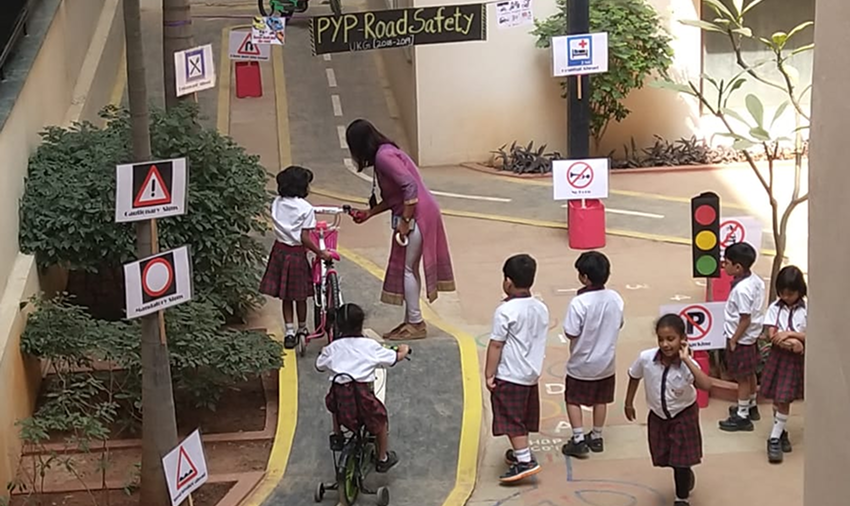
This includes understanding how to move around school safely, take care during sports, and respond during fire drills or unexpected situations.
Some basics every student should know:
- How to walk safely in busy school areas
- What to do in a fire, lockdown, or evacuation
- How to handle sports or lab equipment properly
- When to ask for help to avoid injury
-
Health and Hygiene
Clean habits are essential in a shared space, such as a school. Simple things, such as handwashing and managing food safely, help everyone stay healthy.
Things students should practise:
- Washing hands before eating and also after using the toilet
- Storing lunch properly
- Handling shared objects (like sports gear or stationery) carefully
- Staying home when feeling unwell
These small habits reduce the spread of illness and show care for others.
-
Emotional and Social Safety
Feeling safe isn’t only about avoiding injuries. It also means feeling supported, respected, and included. These ideas are now part of many CBSE schools admission programmes, where the focus extends beyond academics to student wellbeing.
Important things students should understand:
- How to spot and respond to bullying
- Personal boundaries — both setting and respecting them
- Talking about emotions without fear
- Supporting each other in group work or social situations
-
Digital and Cyber Safety
Most teens spend a considerable amount of time online, whether for school, social media, or entertainment. That’s why digital safety matters just as much as anything else.
Key points students and parents should be aware of:
- Why keeping passwords private is important
- How to avoid scams and suspicious websites
- What cyberbullying looks like and how to report it
- When it’s time to involve a trusted adult
Teaching teens to use technology respectfully and cautiously prepares them for safer online experiences.
-
Basic First Aid and Emergency Response
Students aren’t expected to know everything, but having a few basic first aid and health skills can make a real difference in an emergency.
Young people can be taught:
- How to alert a teacher or adult during an emergency
- Simple responses to cuts, sprains, or dizziness
- Staying calm until proper help arrives
- The first aid is to check for safety, call for help, and support the injured person
These small actions, done correctly, help keep everyone safe while waiting for professional care.
Why the Classroom Environment Matters
The classroom is where students spend most of their school day. It needs to be a space where everyone feels safe, focused, and supported — not just physically but emotionally as well.
Good habits for safety in classroom help make this happen. These include:
- Keeping walkways and desks free from clutter
- Ensuring chairs and tables are in good shape
- Displaying clear classroom safety rules where everyone can see them
- Knowing when and how to report unsafe situations
- Following instructions during science experiments or physical education
All these steps make classrooms calmer and easier to learn. Schools also need proper safety rules in classroom plans — which should be explained clearly to students so they understand why these rules exist.
Safety Awareness Should Be Part of Everyday Learning
Being able to react in an emergency is essential. But being aware enough to prevent dangerous situations is just as crucial. That’s where safety awareness comes in.
For parents and students, building safety awareness means having regular conversations — not just reacting after something goes wrong.
Here are essential ways to build safety awareness for students:
- Chatting about what-if scenarios at home (e.g. “What would you do if…?”)
- Noticing hazards together and talking about how to fix them
- Using signs, reminders, or visual cues around shared spaces
- Practising real-life tasks, like reading safety labels or giving directions
- Encouraging open talk about problems, even small ones
With repetition, these habits start to feel natural. The more safety is talked about, the more seriously it’s taken.
What Parents Should Know and Do
Parents play a big role in helping safety education stick. While schools provide the structure, the way safety is discussed at home can significantly influence how students behave.
Here are some things families can do to support safety education for students:
- Talk about what your child learned in a drill or assembly
- Go over basic responses to cuts, bruises, or a fire alarm
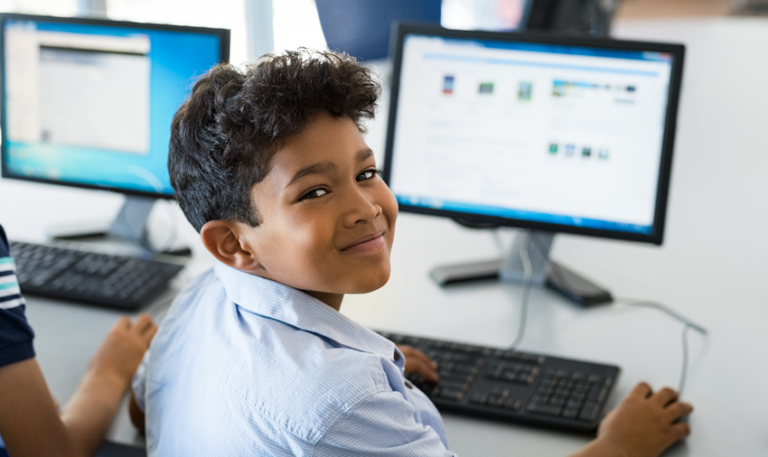
- Keep up to date with online safety settings and privacy controls
- Discuss how your child feels about friendships, bullying, or stress
- Encourage your child to trust their gut and speak up when something feels off
The more children hear about safety in familiar settings, the more likely they are to act wisely in unfamiliar ones.
How Students Can Take Safety Seriously
Students also need to take part in keeping things safe — for themselves and their friends. That’s where good safety training helps.
If you’re a student, here’s what you can do:
- Pay attention during drills and safety talks — they’re for you
- Ask questions if you don’t understand a rule
- Speak up if something looks or feels unsafe
- Look out for your mates and let someone know if they’re hurt
- Practise calm thinking during stressful situations
This mindset is strongly encouraged in leading high schools in Hyderabad, where student participation is part of the safety culture.
Every Child Deserves to Feel Secure!
Safety education in school isn’t about being scared. It’s about being ready. It teaches you how to take care of yourself, make smart choices, and speak up when things don’t feel right. These are skills you carry for life.
Whether it’s understanding about first aid, protecting your digital privacy, or following basic safety rules in classroom settings, these lessons help you stay steady in a world that’s not always predictable.
Parents and teens together have the power to make safety part of everyday life. Talk about it often. Ask questions. Share your concerns. Because feeling safe shouldn’t be a bonus — it should be the starting point for every child’s learning journey.